
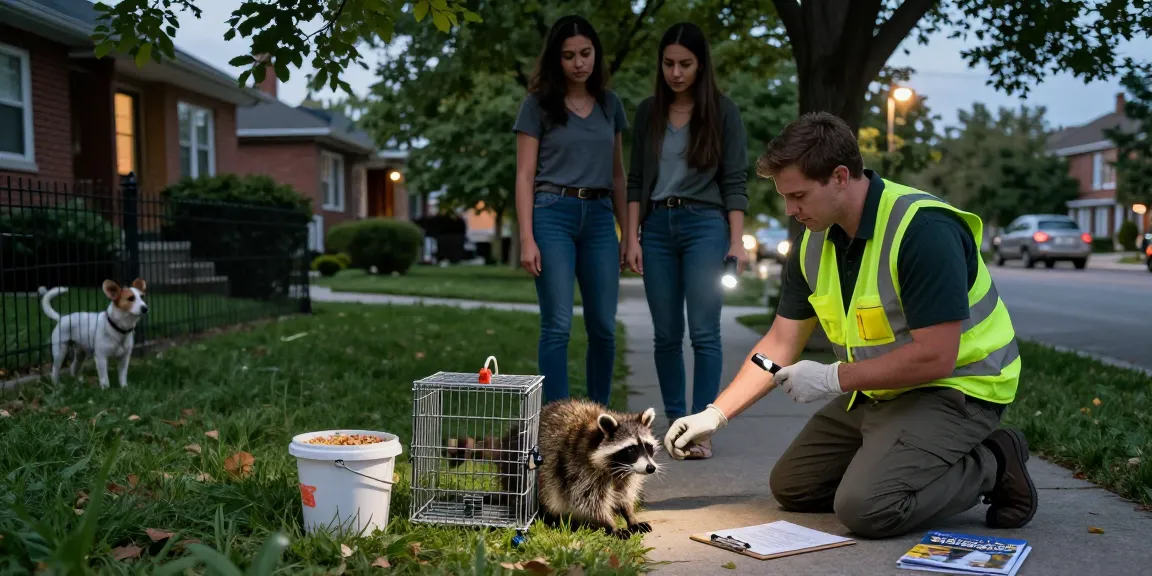
Raccoon Removal Toronto: Your Essential Strategy for 2026
Understanding Raccoon Behavior in Urban Environments
Raccoons are highly adaptable creatures, known for their intelligence and resourcefulness, making them a common sight in urban settings. As cities expand into their natural habitats, these nocturnal mammals increasingly invade residential areas in search of food and shelter. Understanding their behaviors is crucial for homeowners in Toronto facing potential raccoon issues. When exploring options for effective control, Raccoon Removal Toronto provides comprehensive insights into this pressing problem.
What Attracts Raccoons to Your Property?
Raccoons are opportunistic feeders, which means they are drawn to places where food is readily available. Common attractions include:
- Garbage and compost bins that are not properly secured.
- Pet food left outside, especially during the night.
- Bird feeders that drop seeds on the ground.
- Fruit trees and gardens that are not protected.
- Open garages or sheds that provide easy access to nesting spots.
By understanding these attractions, property owners can take proactive measures to deter raccoons and minimize the risk of an infestation.
Common Signs of Raccoon Infestation
Identifying a raccoon infestation early can save you from significant damage and health risks. Key signs to watch for include:
- Footprints or paw prints in soft soil or mud.
- Scattered trash or overturned garbage cans.
- Damaged patio furniture or garden structures.
- Visible nesting sites, often found in attics, basements, or under decks.
- Distinctive raccoon droppings, which may contain seeds and fur.
If you observe these signs, it’s important to act quickly to address the problem before it escalates.
How Raccoon Behavior Affects Local Wildlife
The presence of raccoons in urban areas not only affects homeowners but can also disrupt local ecosystems. As they scavenge for food, raccoons may compete with native species, altering the balance of local wildlife populations. Additionally, raccoons are known carriers of diseases like rabies and raccoon roundworm, posing risks to other animals and even human residents. Understanding this dynamic is vital for communities looking to manage wildlife effectively.
Essential Safety Practices for Raccoon Removal
When dealing with raccoons, safety should be your top priority. Knowing how to handle the situation correctly can prevent injury and property damage.
Protecting Yourself and Your Family
Before attempting any removal tactics, ensure you take the proper safety precautions. This includes:
- Using gloves when handling any potential raccoon-related materials.
- Avoiding direct contact with raccoons, as they can be unpredictable and may bite.
- Securing pets indoors, especially during the night when raccoons are most active.
By following these guidelines, you can minimize risks while addressing the raccoon issue.
Legal Considerations in Raccoon Removal
It is important to note that raccoons are protected under local wildlife laws in many regions, including Toronto. Therefore, homeowners must familiarize themselves with legal regulations regarding raccoon removal. In most cases, it is illegal to harm or kill raccoons without a permit. Always consult local wildlife regulations before taking action to avoid potential legal consequences.
Choosing the Right Tools and Equipment
Effective raccoon removal often requires specialized tools and equipment. Essential items include:
- Humane traps designed for raccoons, which allow for safe capture.
- Protective gear, such as gloves and masks, to ensure safety during the process.
- Flashlights for inspecting dark areas like attics or basements.
- Deterrents like motion-activated lights or ultrasonic repellents.
Using the right tools not only facilitates a successful removal but also ensures that the process is humane and compliant with local regulations.
Effective Strategies for Raccoon Control
Implementing effective strategies for raccoon control is key to preventing infestations. Here are several methods:
Trapping Techniques: Do’s and Don’ts
Trapping can be an effective way to remove raccoons, but it must be done correctly to avoid harm to the animals or yourself. Important tips include:
- Do use designated raccoon traps that meet local regulations.
- Don’t set traps in areas with high foot traffic to minimize accidental catches.
- Do bait traps with appealing foods like marshmallows or cat food.
- Don’t leave traps unattended for extended periods to prevent distress to trapped animals.
Following these guidelines can lead to a safe and effective trapping experience.
Humane Relocation Methods Explained
Humane relocation is an excellent alternative for those who wish to remove raccoons without harm. Strategies include:
- Transporting captured raccoons at least five miles away from your property to prevent them from returning.
- Relocating them during evening hours when they are naturally active.
- Choosing a location that provides suitable shelter and food sources.
It is essential to ensure that the relocation site complies with local wildlife regulations.
Long-term Prevention Strategies
Long-term prevention is vital to reducing the likelihood of future raccoon problems. Key strategies include:
- Securing garbage bins with tight-fitting lids to deter scavenging.
- Installing raccoon-proof fencing around gardens and outdoor areas.
- Removing attractants, such as pet food and fallen fruits, from yards.
- Regularly inspecting property for potential nesting spots and sealing them.
By implementing these strategies, homeowners can make their properties less appealing to raccoons and other wildlife.
When to Call Professional Wildlife Control Services
While homeowners can manage minor raccoon issues, knowing when to call in professionals is crucial for serious infestations. Here are key indicators:
Identifying Serious Infestations
Signs that a professional wildlife control service may be necessary include:
- Frequent disturbances such as noises coming from attics or basements.
- Visible damage to property or gardens caused by raccoon activity.
- Multiple sightings of raccoons during the day, indicating a potential den nearby.
If you notice any of these signs, it is wise to consult experts for further assistance.
The Benefits of Professional Intervention
Professional wildlife control services offer several advantages, including:
- Expertise in humane removal methods and local regulations.
- Access to advanced tools and techniques for efficient removal.
- Follow-up services to ensure that raccoons do not return.
Choosing to hire professionals can save time, reduce stress, and provide effective long-term solutions to raccoon problems.
Choosing a Reputable Raccoon Removal Service in Toronto
When selecting a wildlife control service, look for the following qualities:
- Licensing and insurance to ensure compliance with local regulations.
- Positive customer reviews and testimonials to gauge reliability and effectiveness.
- A clear description of their methods and guarantees for service.
Taking the time to select a reputable service can lead to a successful resolution of your raccoon issues.
Future Trends in Wildlife Control: What to Expect by 2026
The landscape of wildlife management continues to evolve, particularly in urban settings. Here are some anticipated trends for 2026:
Innovative Technologies in Wildlife Management
Advancements in technology are paving the way for more effective wildlife control solutions. Innovations to watch for include:
- Smart traps that send notifications when an animal has been captured.
- Drone surveillance to monitor wildlife activity in difficult-to-reach areas.
- Artificial intelligence systems for predicting and analyzing wildlife patterns.
These technologies promise to enhance the efficiency of wildlife management strategies.
The Role of Community Awareness in Wildlife Prevention
Community education will play a crucial role in preventing wildlife conflicts. Expect increased initiatives around:
- Workshops and seminars to teach residents about wildlife behaviors and prevention tactics.
- Community clean-up events to reduce attractants like litter and food debris.
- Collaborations with local governments on wildlife management policies.
By fostering awareness, communities can collectively minimize wildlife issues.
Predictions for Urban Wildlife Dynamics
As urban areas continue to grow, the dynamics of wildlife interaction will change. Predictions indicate:
- Increased encounters between humans and wildlife as more natural habitats are encroached upon.
- A rise in adaptive behaviors among urban wildlife species, including raccoons, as they learn to cohabit with humans.
- The necessity for ongoing adaptations in wildlife management practices to address these shifts.
Understanding these trends will be vital for effective future management strategies.
What Should Homeowners Know?
Homeowners must remain informed about local wildlife issues and best practices for prevention. Key takeaways include:
- Regularly educating themselves about wildlife behavior and signs of infestation.
- Proactively managing their properties to deter wildlife.
- Staying updated on local regulations regarding wildlife control.
Awareness and education are critical components in the prevention of wildlife conflicts.
How to Stay Informed on Local Wildlife Issues?
Keeping abreast of local wildlife issues can greatly benefit homeowners. Recommended strategies include:
- Subscribing to local wildlife newsletters and alerts.
- Joining community forums or groups focused on wildlife management.
- Consulting with wildlife experts for the latest information and strategies.
Staying informed empowers homeowners to take effective action when wildlife issues arise.